
How to Plan a Remodel and Stay on Budget: Strategies for High-End Yet Cost-Effective Home Transformations in California
Introduction
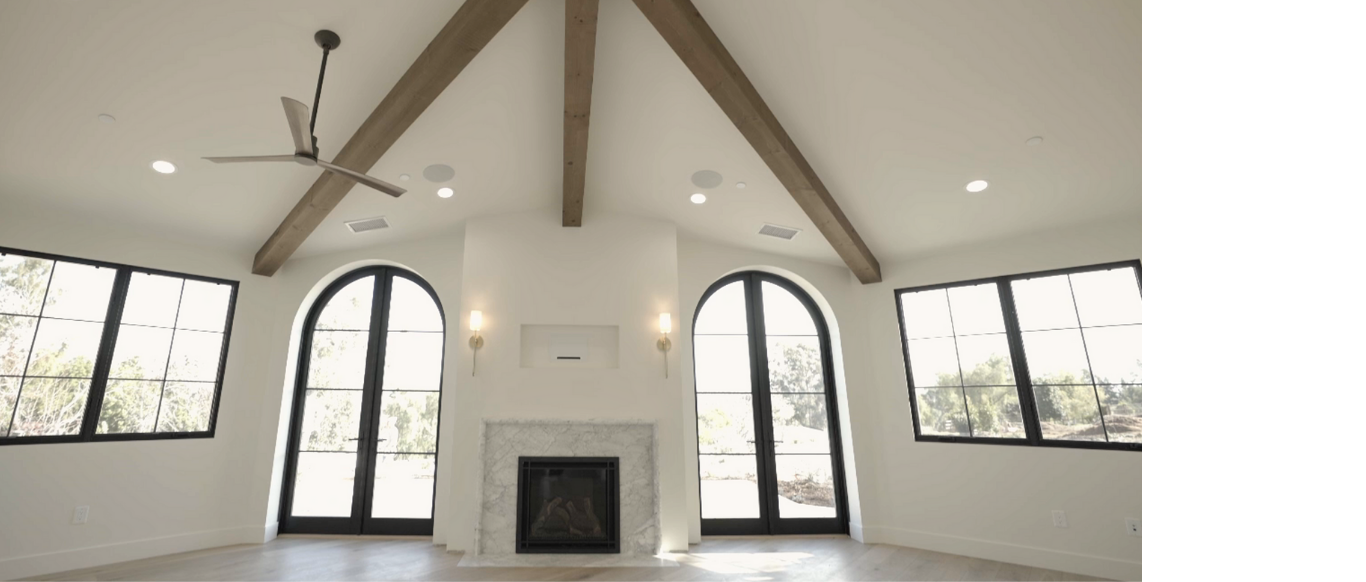
In the face of escalating material costs, product delays, and a high demand for subcontractors, remodeling luxurious homes in California's competitive market requires savvy planning and strategic decision-making. Early product selection, consulting and collaborating with your builder and designer, and maintaining flexibility in your choices are pivotal. This guide integrates exclusive industry insights and practical tips for navigating your high-end renovation while keeping your budget intact.
Understanding the Scope of the Project
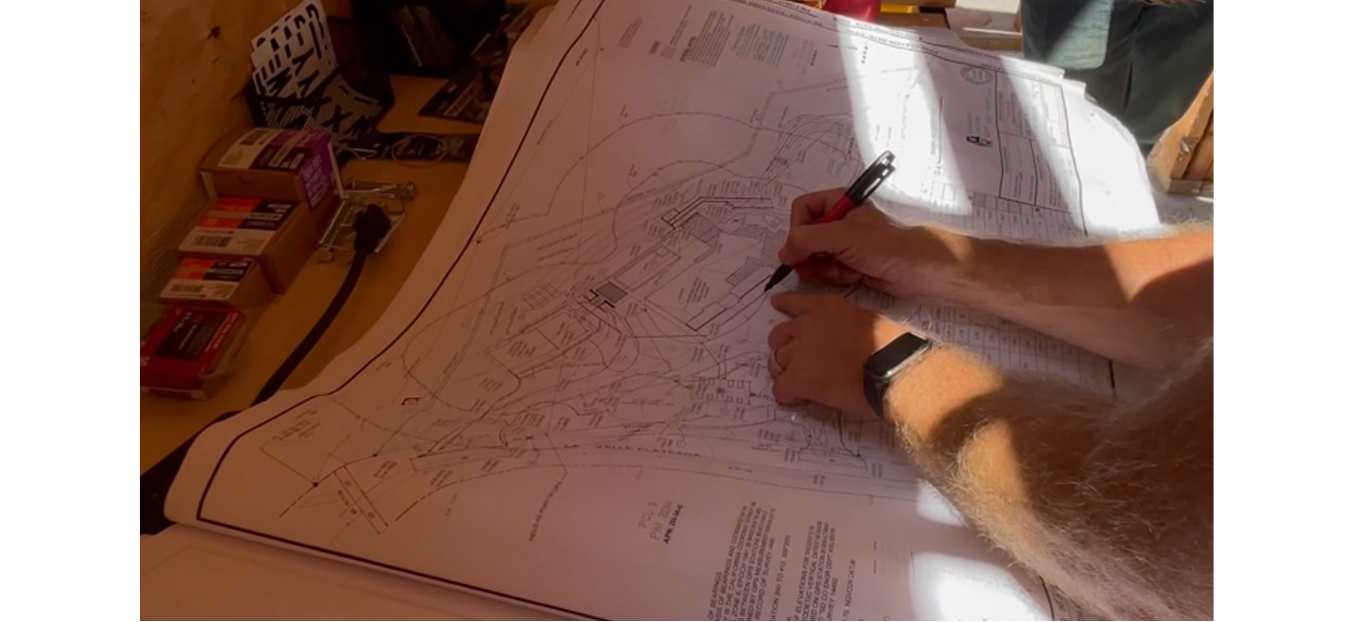
Before any physical changes begin, a comprehensive inspection and a clear understanding of your home's current condition are paramount. This crucial first step is all about identifying potential pitfalls that could inflate costs unexpectedly — understanding what's behind every wall and under every floor. This initial step is crucial for preventing scope creep, which can significantly inflate costs.
Clearly identifying the scope of work upfront is important. Do not go into a major remodel with the idea that you will 'figure it out as you go'. Have your design plans done, product selected, and written specifications outlined and financially accounted for.
Setting Realistic Expectations
Setting a clear and achievable vision for your remodel from the get-go is essential. Fluctuating wildly from this vision can lead to costly adjustments. Stay focused on your end goals and avoid getting sidetracked. This focused approach prevents the common pitfall of continuous changes, which not only delay the project but also harm your budget.
Trust plays a crucial role in the budgeting process. For instance, if the assessment indicates that all plumbing requires replacement, it is wise to plan for this from the start. Preparing only for minor, isolated repairs, only to discover later that a complete overhaul is needed, can lead to an unwelcome surge in costs. Instead, work closely with your builder to understand the full extent of what can be retained and what must be replaced. This proactive approach is essential for averting scope creep and controlling unforeseen expenses.
Consider the example of homeowners planning to replace only a section of their existing wood flooring. Often, they discover that the challenges we initially outlined hold true: the original flooring material is no longer available, and even if it were, the aged patina would not match the new sections. Moreover, the style of the older flooring may not align with modern design choices. This scenario underscores the importance of a comprehensive assessment and planning for potential replacements from the outset.
Value Engineering

In any design detail or installation decision, there are numerous viable methods and choices, each with sound reasoning behind them. If you have a strong preference for one option over another, it's crucial to voice your opinions early so that your building team can accommodate your wishes. However, if preferences are not communicated beforehand, trust that your build and design team are meticulously considering every detail on your behalf. Typically, in the absence of specific instructions, decisions are entrusted to the designer, builder, or onsite supervisor, who are all committed to acting in the best interest of the design, schedule, and budget.
Exploring material modification options is an essential part of the budgetary process in any design/build project. Discuss value engineered options with your design team for everything from cabinets, to appliances, to decorative beams. For example, opting for locally sourced tiles instead of imported ones may not have been your original plan, but this choice could significantly reduce costs and expedite your project timeline.
Moreover, remember that there are numerous ways to approach each detail in your home; micromanaging each one can be time-consuming and may not yield the best return on investment. With a reliable builder and designer at your side, you can feel confident that they will make informed decisions that enhance the project's execution.
Prioritizing and Compromising
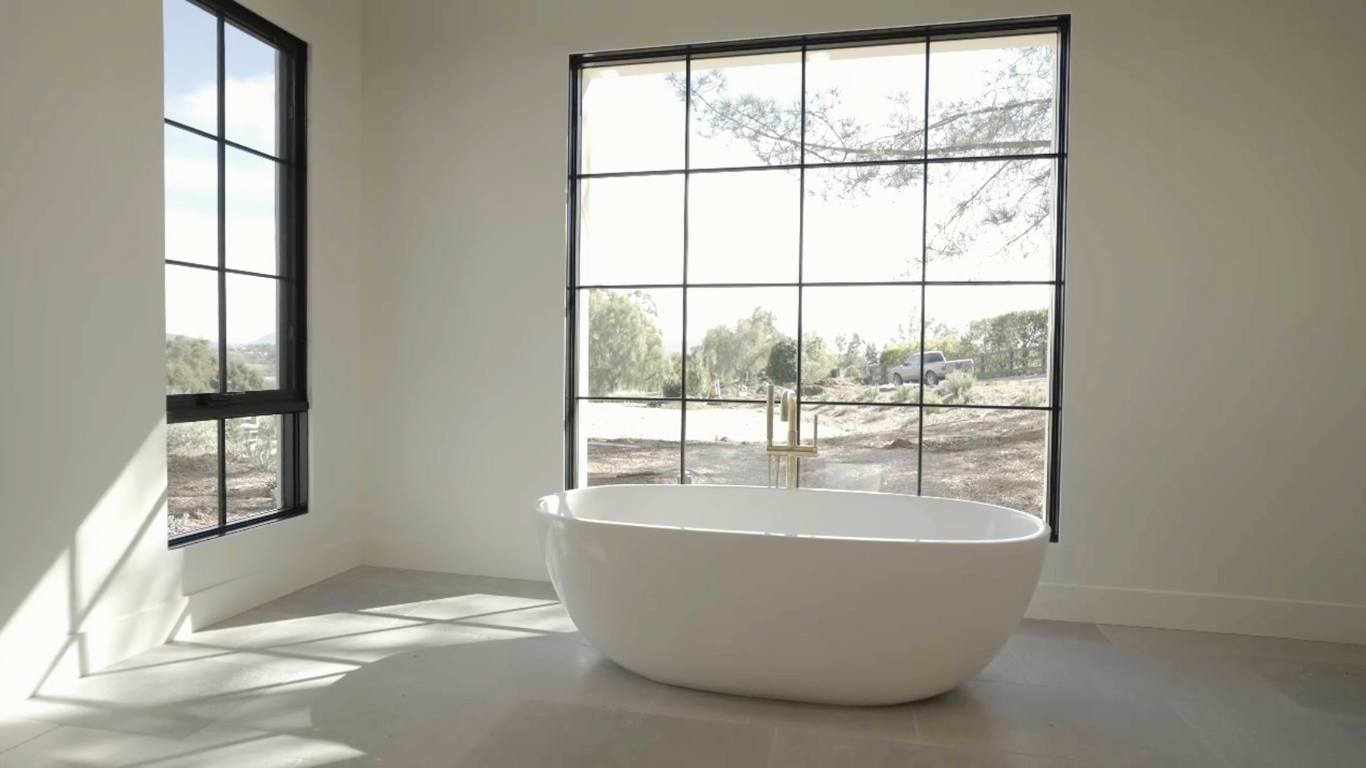
Learn to prioritize the essentials and find areas where compromise is possible. This approach isn't about cutting corners; rather, it's about concentrating on aspects that genuinely enhance the value of your home. Direct your resources toward high-priority areas like the kitchen and master bedroom, where investments can dramatically transform the living space. For secondary spaces, consider more cost-effective materials that still maintain quality and aesthetics.
Working with a design-build firm ensures that the usage of materials and design elements are perfectly synchronized. You can have peace of mind knowing that the project will adhere to the original plan, as all materials are pre-selected collaboratively by both the designer and builder.
Researching for Cost-Effective Solutions
Being informed is your best defense against overspending. Choose materials that combine durability and visual appeal without breaking the bank. Whether it's finding a less expensive substitute for that high-end marble or choosing fixtures that offer longevity, your choices should be both strategic and stylish.
The recent price increases across the design build industry have significantly impacted industry pricing. These increases have forced companies to absorb costs from the past two years and pass them on to the end user, the homeowner. The market dynamics have also shifted, leading to a higher demand for multiple quotes to uncover more cost-effective options. It's wise to request several options from your designer. When designers collaborate closely with builders, like we do here at EverWest, we can provide more accurate and up-to-date pricing estimates that help avoid any financial surprises later.
Moreover, aligning with the current trend of quiet and organic luxury, considering alternatives to high-cost items like natural stone is beneficial. For example, opting for a porcelain alternative can drastically cut costs while still delivering aesthetic appeal.
Planning for the Unexpected
Including a homeowner contingency budget is more than prudent planning; it's vital for ensuring peace of mind. Keeping a personal fund of 10-15% of the total project cost allows you to address any unforeseen issues without sacrificing quality or halting the project. A builder contingency will also be a part of any build contract, but that is used at the builder's discretion, for the builder. So, keeping a separate personal contingency for the homeowner is always a good idea.
Flexibility is essential when navigating the unpredictable aspects of a remodel. Being prepared to adapt to changes and delays by having backup plans ready is key. This could involve selecting alternate materials or adjusting project timelines to accommodate availability and budget variations.
Communicating Clearly With Your Contractors
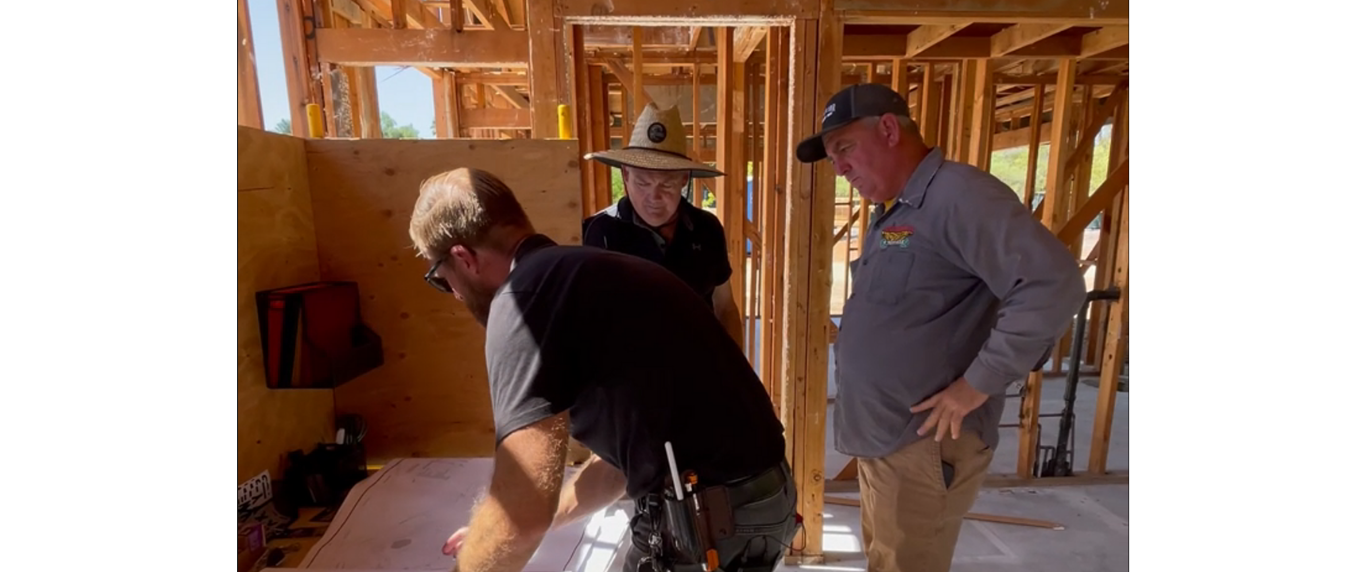
Maintaining transparency with your contractors and design team from the start helps prevent misunderstandings that could result in cost overruns. A detailed contract and client-accessible software that tracks the progress of the build in real-time can significantly reduce unexpected expenses.
Additionally, working with a seasoned interior designer can help minimize provisional costs by securing specifications early in the process, thus avoiding financial surprises down the line.
Furthermore, it's important to remember that when your design/build team makes suggestions—whether it's choosing an installation method or a material alternative—these are not compromises but strategic decisions aimed at cost efficiency.
Making Smart Use of Technology
Harnessing the power of technology can streamline your remodeling process. From budget tracking apps to 3D rendering tools, tech can provide a clearer vision and tighter control over your project, ensuring you stay on track and within budget.
When selecting a design/build firm, it's beneficial to request a demonstration of the software they use. Look for a platform that goes beyond mere tracking of material choices and contract creation. For example, the software used by EverWest integrates all aspects of a design/build project—from pricing and invoicing to change orders, contracts, communications, drawings, and purchase orders. This comprehensive system connects vendors, subcontractors, clients, and team members on a single, interactive, dynamic platform.
Understanding Legal and Regulatory Costs
Have you ever noticed a project in your neighborhood that seemed to stall after a quick start? Often, this halt in progress is due to the building company needing to address a regulatory issue that was overlooked, omitted, or prematurely dismissed. To ensure a project proceeds without delays, it's crucial that all regulatory and compliance requirements are fully addressed before construction begins.
In California, navigating local regulations is as important as any aesthetic decision. Make sure your contractor can thoroughly explain to you the zoning laws and building codes to avoid costly compliance issues. Ensuring your project adheres to all local requirements from the start can prevent expensive legal hurdles later on.
Conclusion
Mastering a budget-friendly, high-end home remodel in California's dynamic market is an achievable goal. By understanding your project's scope, setting realistic expectations, and planning for the unexpected, you can ensure that your renovation not only meets but exceeds your expectations without breaking the bank. Hiring the right team is the only way to ensure this happens.