
Revamp in Style: What to Upcycle During a Luxury Home Remodel
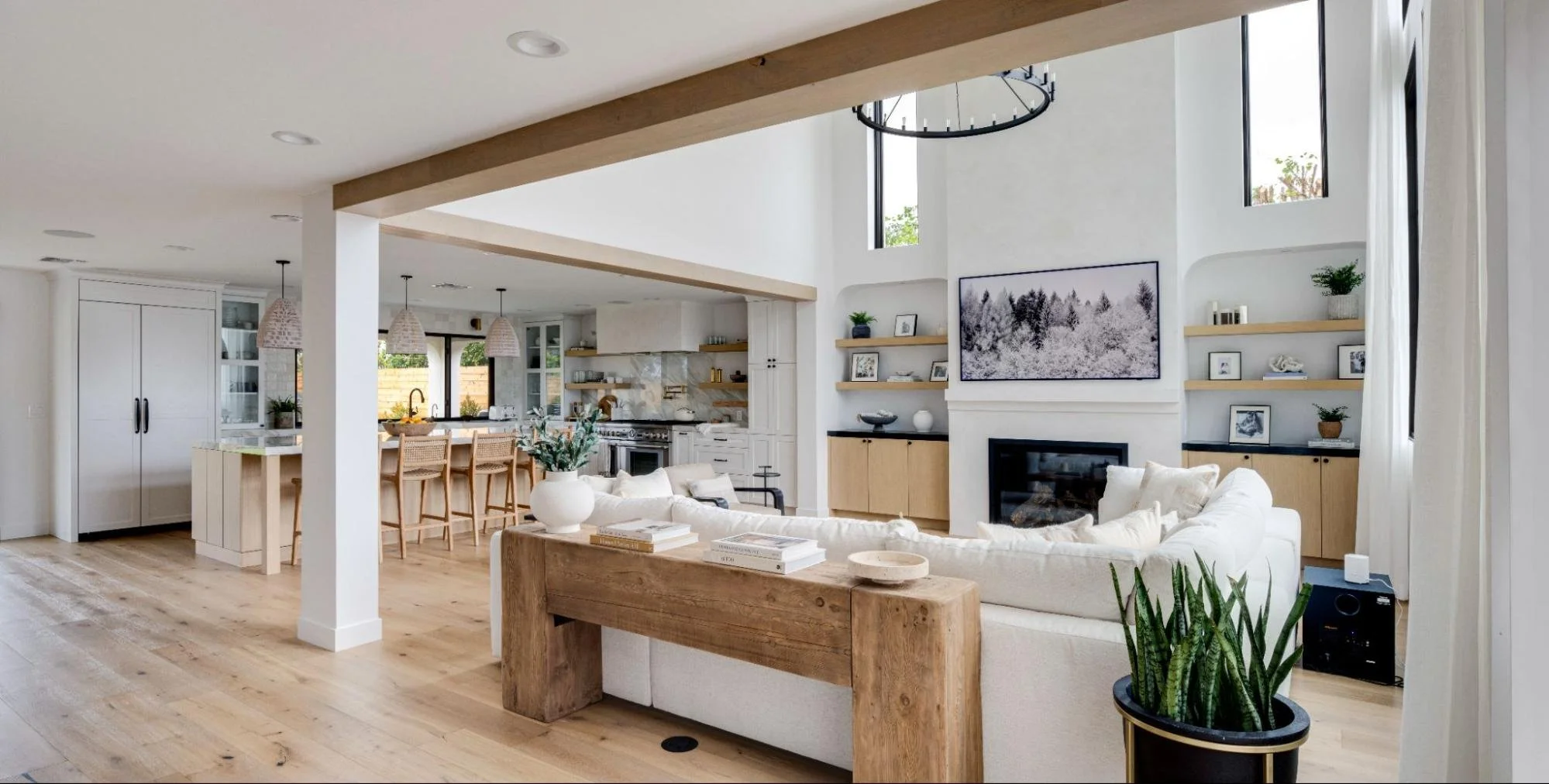
Embarking on a luxury home remodel is an exciting journey—but it's also a journey filled with tough decisions about how to blend the old with the new. Many homeowners have a preexisting love for features in their homes and are eager to redesign around them, but preserving the charm and character that initially drew them to the property can be a challenge for both the owner and home renovation companies.
From rustic Saltillo tiles that evoke the warmth of old-world traditional Spanish design to majestic wood beams that add a touch of rustic elegance, these original elements can bring a unique story to your home's design. However, balancing preservation with practicality is key during your home remodel.
As we delve into the nuanced decisions involved in maintaining these beloved features, we'll explore the pros and cons of each and pose essential questions to help you determine what's worth upcycling during your remodel.
Saltillo Tiles
Vintage Saltillo tiles are often valued by homeowners during home renovations because their warm, rustic charm is hard to replicate with newer materials. Their natural, earthy tones can add a unique character to a home, enhancing the design with a timeless, Spanish appeal. Creative uses include incorporating them into kitchen backsplashes, accent walls or patio flooring to bring an authentic, handcrafted look.
But what are the challenges?
Maintenance: Saltillo tiles require regular sealing to prevent staining and damage from moisture.
Cost: While the tiles themselves can be affordable, the cost of installation and maintenance can add up.
Inconsistent Quality: Being handmade, the quality and appearance of Saltillo tiles can vary, which might not suit everyone's taste.
Contaminants: Vintage Saltillo tiles are porous, which means that over time they can absorb environmental contaminants, pet odors and other pollutants.
Matching or Tying In: Every Saltillo tile batch is unique. If your redesign includes floor plan manipulation, there's a good chance you will not be able to find a batch of new Saltillo to match the existing.
Consider this: should you keep a floor plan in place that isn't working for your family in order to avoid disjointed floor patching?
Our expert opinion: if Saltillo tile is a desired feature, we recommend choosing new Saltillo tiles that maintain the authentic feel while ensuring everything matches for a cohesive, consistent look. Alternatively, consider a more budget-friendly option like wide-plank, wire-brushed white oak, which is actually less expensive than Saltillo. You can then use Saltillo as an accent in key areas—think fireplace, foyer or back patio—to add character without overextending your budget.
Wood Beams
Exposed wood beams are highly valued by homeowners for the often dramatic and rustic element they add to a home. They can be creatively used during a luxury home remodel to define spaces within an open concept or add texture to ceilings. They can also create a sense of modern organic warmth and elevated architectural interest in any living space.
But what are the challenges?
Maintenance: Exterior beams require extensive upkeep to prevent rot and damage, and are vulnerable to wood-eating pests.
Cost: Solid wood beams, especially those made from richer woods like walnut or mahogany, can be very expensive, even when using salvaged or reclaimed wood options.
Installation: Heavy and difficult to install or move, often requiring professional expertise and potentially needing structural reinforcement.
Modification: Challenging for home renovation companies to modify. Extending walls or adding vaulted ceilings will make the existing beams incompatible, and altering interior walls will disrupt the current beam spacing.
Consider this: are the visual impact and architectural interest of wood beams worth the potential cost and maintenance challenges?
Our expert opinion: people often believe they're saving money by reusing or upcycling existing wood beams, but the cost of modifying and adding more can quickly add up. The good news is that instead of working with the old beams, you can opt for cost-effective new beams that fit perfectly, are spaced precisely, and come in the right color and texture. Consider wood veneer box beams or even foam, which are lightweight, easy to install and budget-friendly.
Original Fireplaces
Original fireplaces are often treasured for their historical significance and the unique character they add to a home. They serve as natural focal points in rooms, offering both aesthetic and functional benefits. A skilled luxury home builder can add creative enhancements that include updating the mantel, adding decorative tiles, or incorporating built-in seating around the hearth.
But what are the challenges?
Maintenance: They require regular cleaning and maintenance to remain safe and functional.
Efficiency: Older fireplaces are often less efficient than modern heating systems and can lead to higher energy costs.
Sustainability and Wellness: Wood-burning fireplaces aren't very eco-friendly, and the smoke they put off can affect health conditions such as asthma.
Code Compliance: Ensuring that an old fireplace meets current building codes can be challenging and costly.
Consider this: does the historical value and charm of an original fireplace outweigh the potential inefficiencies and maintenance requirements?
Our expert opinion: if you want the wood-burning fireplace look, we suggest keeping the fireplace but using it as a decorative focal point instead of a functional item. You can place concrete spheres or faux logs inside to create a stylish, modern feature. Other options include affordable, self-venting gas fireplaces that require minimal work, or going fully electric, which requires no venting.
Vintage Light Fixtures
Keeping vintage light fixtures always seems like a bright idea. They are cherished for their unique charm and character and they have the potential to make bold design statements. During a luxury home remodel, unique light fixtures can be creatively upcycled in various rooms (think dining areas and entryways) or used as nostalgic and sophisticated statement pieces throughout the home.
But what are the challenges?
Wiring Issues: Old fixtures may need costly rewiring to meet current electrical standards.
Availability of Parts: Finding replacement parts for vintage fixtures can be difficult, time-consuming and expensive.
Design Limitations: Vintage fixtures might not provide the level of illumination needed for certain modern uses.
Consider this: is the unique charm and character of vintage light fixtures worth the potential rewiring costs and limitations in functionality?
Our expert opinion: if you want to keep vintage lights but don't think they're bright enough for task lighting, repurpose them as ambient lighting. Use them to flank bookshelves or doorways, or in hallways for a soft glow. Vintage chandeliers can also be decorative focal points over a bed, paired with recessed lights for general illumination.
Built-In Bookshelves
For any custom luxury home builder, built-in bookshelves are valued for their practical storage and display space. They help keep homes organized while adding architectural interest. During a home renovation, they can be creatively integrated into living rooms, home offices, or even bedrooms, providing a custom fit that maximizes the use of available space.
But what are the challenges?
Maintenance: They require regular upkeep to maintain their appearance and functionality.
Customizing Cost: Existing built-ins can be expensive to renovate, particularly if they are made from high-quality materials.
Permanent Fixture: Built-ins are permanent and can limit future redesign options once incorporated into a luxury home remodel.
Consider this: are the storage benefits and aesthetic appeal of built-in bookshelves worth the investment and permanence?
Our expert opinion: we love reusing bookshelves, but only in isolated spaces. Older built-ins often have handmade craftsmanship with different thicknesses and styles than modern designs. For example, older shelves might have thick framing with thin interior shelves, which contrasts with today's beefier, more consistent look. Since cabinetry and built-ins involve many style details, consistency across a space is key. If you want to reuse an old built-in, it's best to place it in a room where it stands alone.
Choose a Luxury Home Builder with Answers
Incorporating preexisting features into your renovation can add unique charm and character. However, it's crucial to carefully consider the pros and cons of each element. Whether you're drawn to the rustic appeal of Saltillo tiles or the architectural interest of wood beams, each choice comes with its own set of considerations. A skilled custom luxury home builder can walk you through those difficult choices and then design a plan.